The Rise of Vein Visualization Technology in Aesthetic Medicine
For years, vein visualization technology was considered a tool reserved for hospitals and emergency departments, a specialized device for nurses managing difficult IV access in clinical settings. That perception is changing. Across aesthetic medicine, IV therapy, and cosmetic injection organizations, practitioners are increasingly turning to near-infrared vein imaging as a way to improve precision, reduce patient discomfort, and differentiate their services in a competitive market.
What Is Vein Visualization Technology
Vein visualization devices use near-infrared light to detect the location of blood in the veins beneath the skin. The device then projects a real-time map of those veins directly onto the skin’s surface, giving the practitioner a clear visual guide without touching the patient. The technology is non-contact, requires no consumables, and is ready to use in seconds.
Originally developed for clinical settings where difficult venous access was a common challenge, particularly in pediatric, geriatric, and oncology patients, the technology has evolved significantly. Today, modern devices are handheld, lightweight, and designed for use across a wide range of settings, from hospital beds to aesthetic treatment rooms. According to Prescient & Strategic Intelligence, the vein illuminator devices market is projected to grow substantially through 2032, driven primarily by increases in chronic disease and a geriatric population, with the fastest-growing segment being sclerotherapy (including aesthetics procedures).
A Growing Presence in Aesthetic Practice
The adoption of vein visualization in aesthetic medicine has been building steadily. A 2025 observational study published in Dermatologica Sinica examined the use of near-infrared transillumination in facial aesthetic procedures involving dermal fillers and botulinum toxin (BOTOX®) injections. The study found that the technology successfully identified key facial vascular structures across a range of participants, providing practitioners with a real-time reference before and during injection. The authors noted the potential value of this approach in reducing injection-related complications.
For cosmetic injection practitioners, this is meaningful. Bruising after filler or BOTOX® treatment is one of the most common patient concerns, and vascular injury during injection is a known risk. Being able to see where veins are located before placing a needle or cannula gives practitioners information they previously had to estimate from anatomy alone.

Why IV Spas and Hydration Clinics Are Paying Attention
The growth of IV therapy as a wellness service has introduced a new category of practitioners who perform venipuncture regularly but outside of traditional clinical settings. For these businesses, the patient experience around the IV stick itself is central to satisfaction and retention.
Unlike hospital patients who may tolerate a difficult IV access experience as part of a larger treatment, IV spa clients are paying for a wellness experience. A missed stick changes that experience significantly. Vein visualization gives IV spa practitioners a tool to approach access with greater confidence, particularly for clients who describe themselves as difficult sticks.
According to a study published in the National Library of Medicine’s PubMed, first attempt success for staff nurses in diverse patient populations range from 44% to 76.9%. While IV spa clients are not hospital patients, the statistic underscores how common vein access challenges are across the population.
What to Look For in a Device
For aesthetic and wellness practices considering vein visualization, a few practical factors matter. Portability is important. A handheld device that can move between treatment rooms is more practical than a fixed unit. Battery life and charging convenience matter in a busy clinic environment. And for cosmetic injection use specifically, the ability to use the device near the face safely is a consideration worth discussing with any manufacturer.
Some practices are also evaluating whether the technology can serve a dual purpose, helping staff locate veins for IV therapy while also supporting cosmetic injection practitioners in the same facility.
Looking Ahead
Vein visualization technology is not new, but its application in aesthetic and wellness settings is still early and rising. As more practices adopt it and share their experiences, the field knowledge around its use in cosmetic and IV therapy contexts will grow. For practitioners looking to invest in tools that improve both clinical precision and patient experience, it represents a category worth watching.
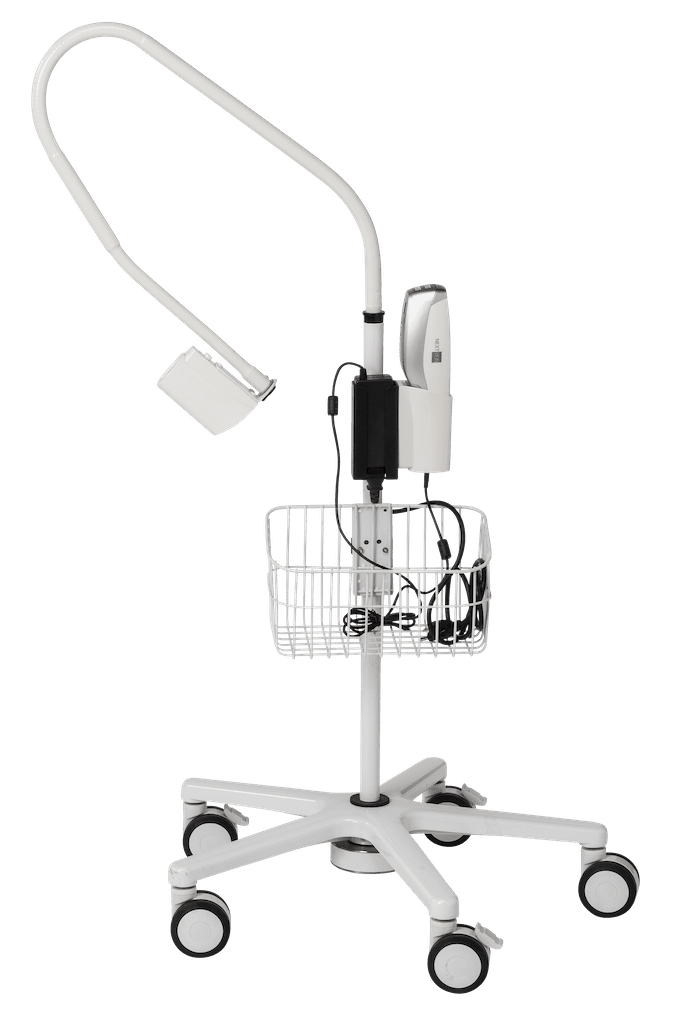
For practices ready to explore the technology, the NextVein V800NV is a handheld vein finder built to meet the demands of aesthetic and IV therapy settings. Weighing just 12 ounces, it projects a real-time vein map directly onto the patient’s skin using near-infrared light. It converts from handheld to hands-free use, charges via USB-C, and is backed by the NextVein Total Protection Plan.