
Why Patient Satisfaction Scores Matter More Than Ever for Med Spas
Medical spas, sometimes called med spas, medi-spas, or aesthetic clinics, cover a broad range of practices. If your business offers any combination of IV therapy, cosmetic injections, hydration treatments, laser services, or other minimally invasive aesthetic procedures in a clinical setting, you likely fall into this category whether or not you use the label.
The medical spa industry is growing fast. According to the American Med Spa Association’s State of the Industry Report, the total number of medical spas in the United States grew from 8,899 to 10,488 in recent years, and average revenue per practice continues to rise alongside that growth. More med spas, more competition, and more patients with options.
The Economics of a Satisfied Patient
The business case for prioritizing patient satisfaction in a med spa setting comes down to where the money is: retention. According to data from Prospyr, “it costs five times more to attract a new client than to retain an existing one. A 5% increase in retention can boost profits by 25% to 95%. And repeat clients spend 67% more than new ones.”
Medica Depot reports that the percentage of med spa patients who return for another treatment has consistently held at 65% to 66%. That kind of retention is a real asset, but it is not guaranteed. It reflects the experiences patients have during and after treatment, and those experiences start before the first needle is placed.
First Impressions Begin at the Procedure
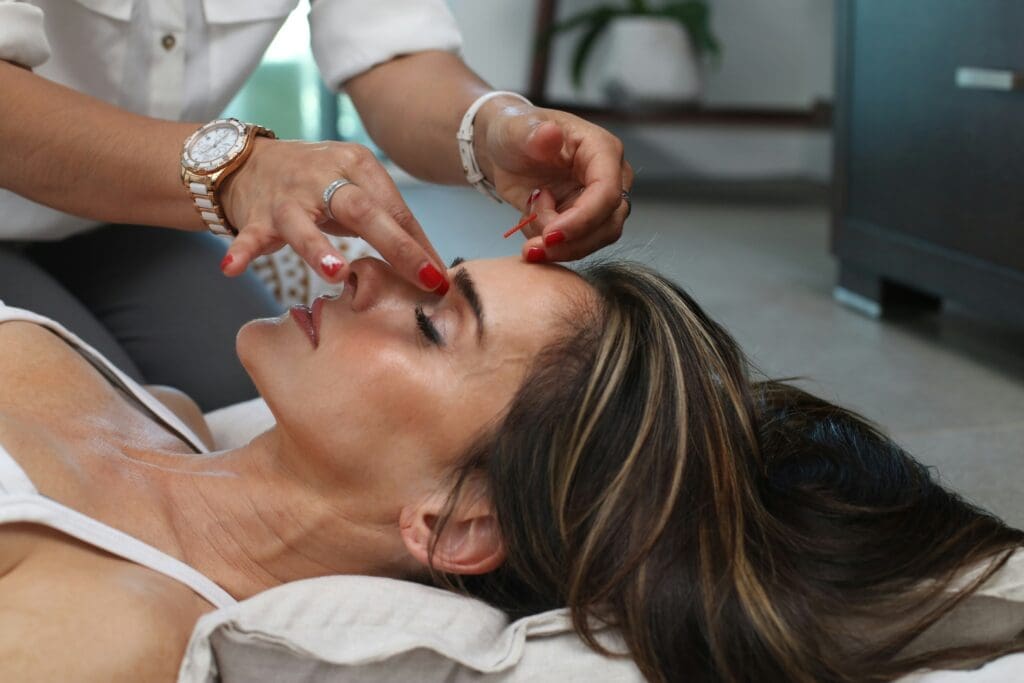
For many med spa and IV spa clients, the first real moment of truth is the procedure itself. A client who walks in excited about their hydration therapy or filler appointment immediately forms an impression the moment their clinician reaches for the needle. If that experience goes smoothly with practitioner confidence , it reinforces the patient’s decision to return. If it involves multiple attempts in the procedure, practitioner’s visible uncertainty, or patient’s unexpected discomfort, it plants a seed of doubt that is difficult to undo with even the best post-procedure care.
This is especially relevant for IV therapy practices. Unlike cosmetic injection clients who may visit a few times a year, IV spa clients often come back weekly or monthly. Every visit is an opportunity to reinforce or erode their confidence in your practice.
How Patients Rate Procedures
Research consistently identifies pain and anxiety as the dominant factors in how patients experience and rate needle-based procedures. A study published on PubMed noted that reducing discomfort during routine procedures such as venipuncture directly contributes to perceived patient satisfaction. When those factors are well managed, and when patients feel they are in capable, confident hands, satisfaction follows.
For vein access specifically, missed or multiple sticks are among the most common sources of dissatisfaction. Vein visualization technology is one tool clinicians are adopting to gain a real-time view of vein location before access is attempted. For more on how this technology works in an IV spa setting, NextVein’s IV spa and hydration therapy page covers the practical application.
Reviews, Referrals, and Reputation
Patient satisfaction does not stay inside your practice. According to Prospyr’s analysis of med spa retention data, practices that tailored their programs to client behavior saw a 24% increase in membership sales in 2024. Satisfied clients leave positive reviews, refer friends, and return. Dissatisfied ones do the opposite, and increasingly, they do it publicly.
For a med spa in a competitive local market, a handful of negative reviews about a painful or frustrating experience can be more damaging than any marketing budget can overcome. The inverse is also true. Practices that consistently deliver a smooth, professional experience tend to generate the kind of word-of-mouth that is difficult to replicate through advertising alone.

Where to Focus
Improving patient satisfaction does not require a complete overhaul of your practice. It often comes down to identifying the specific moments in the patient journey where anxiety peaks or confidence drops and investing in the tools, training, or processes that address those moments directly.
For IV spas and practices that perform cosmetic injections, vein access is one of those moments worth examining closely. In a market with over 10,000 competitors and growing, the practices that prioritize patient experience at every touchpoint are the ones best positioned for long-term success.
The Role of Technology in the Patient Experience
For IV spas and med spas that perform cosmetic injections, the tools your staff use directly affect the patient experience. One area where technology is making a meaningful difference is vein access. The NextVein V800NV is a handheld vein finder that projects a real-time map of the patient’s veins directly onto the skin using near-infrared light, giving clinicians a clear visual guide before and during the procedure without any contact with the patient.
For practices where IV access is a regular part of the service, this kind of visibility can make a real difference. Staff handle each stick with greater confidence, patients see a more deliberate and professional process, and the likelihood of a missed stick is reduced. For cosmetic injection practitioners, the same technology helps identify vein location before placing filler or botulinum toxin (botox), supporting more precise work and potentially reducing post-procedure bruising.
The V800NV is lightweight at 12 ounces, rechargeable via USB-C, and ready to use in seconds. It also converts from handheld to hands-free use with the NextVein wheeled stand, giving practitioners flexibility depending on the procedure. Every system includes the NextVein Total Protection Plan, which covers the device with a no-questions-asked warranty and an equipment forward-swap program so your practice is never left without a working device.
Takeaways
Patient satisfaction is not a soft metric. It drives retention, revenue, referrals, and reputation – four things that determine whether a med spa thrives or struggles in an increasingly crowded market. The businesses that will win long term are not necessarily the ones with the most treatments on their menu or the lowest prices. They are the ones that make every patient feel confident, cared for, and eager to come back.
If you are ready to see how vein visualization technology can support your team in delivering that experience, request a NextVein evaluation system and try it in your practice with no commitment required.